Pesticide Trainings Continue
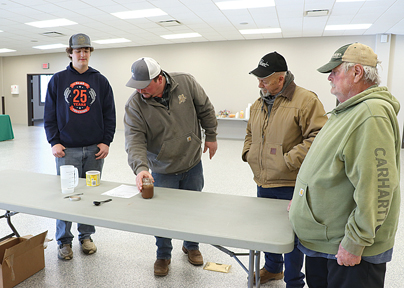
With the help of NDSU Extension Ag and Natural Resource agent, Kelly Leo, ND Department of Agriculture Pesticide Enforcement Agent, Carla Ralston, and NDSU NDAWN meteorologist, Jonathan Rosencrans, and Mountrail County Extension Agent Lynnette Vachal, private pesticide training was provided to sixteen private applicators who attended on the bitter cold Thursday, Jan. 22. The purpose of the program was to support behavior change by strengthening applicators’ ability to apply weather data, regulatory guidance, and current weed management information when making pesticide application decisions.
The program began with an NDAWN meteorologist presenting climate statistics and growing season information relevant to pesticide timing. Applicators learned how the North Dakota Agricultural Weather Network (NDAWN) was designed to support agriculture and how to access station data. Instruction focused on practical use of NDAWN measurements, including wind, temperature, humidity, and Delta-T, to evaluate spray conditions. Applicators discussed recognizing temperature inversions and comparing Delta-T and relative humidity values to determine when spraying should be delayed or adjusted. Participants identified how they would use NDAWN data to change application timing and reduce off-target movement risk.
The next session reviewed pesticide regulations and common compliance issues identified by the North Dakota Pesticide Inspector. Applicators reflected on inspection findings and discussed how to adjust record keeping, product selection, and application practices to remain in compliance.
A hands-on activity on mixing different types of pesticide formulations helped applicators connect formulation choice to drift potential, efficacy, and application safety, reinforcing changes in how products are selected and applied in the field.
An update on the current state of drone spraying in North Dakota increased understanding of regulatory requirements and appropriate use of this technology. Applicators reported greater clarity on how to find licensed drone applicators if they become interested in utilizing drone spraying technology. It was also emphasized that private and commercial drone spraying much be performed by licensed applicators who hold an unmanned pilot license and hold proper certifications.
A hands-on exercise using the Weed Guide allowed participants to actively practice locating current herbicide and weed management recommendations, reinforcing behavior change related to consulting reliable resources before application decisions are made. The program concluded with an update on ventenata, increasing applicators’ awareness and importance of early identification and management actions they would implement on their operations if they suspected ventenata was on their land since it has been identified in bordering states.
As a result of this program, private applicators demonstrated increased intent to change behavior by using NDAWN data to guide spray timing, adjusting application practices to avoid temperature inversions and unfavorable Delta-T conditions, improving compliance with pesticide regulations, and utilizing current weed management resources prior to application. These behavior changes support safer pesticide application, reduced environmental risk, and improved stewardship on North Dakota farms.
One additional in-person training is set for March 25 at the Mountrail County Plaza Complex with registration at 11:30 a.m. and training from 12:00 to 4:00 p.m. Another in-person zoom training will be held on March 3 with registration at 12:00 p.m. and training from 12:30 to 4:00 p.m. at the Mountrail County South Complex in Stanley, ND.
Those attending are asked to sign up for the trainings in advance so they can be sure they have enough materials for those attending. You can preregister by contacting the Mountrail County Extension Office.